What Is Botox, Really?
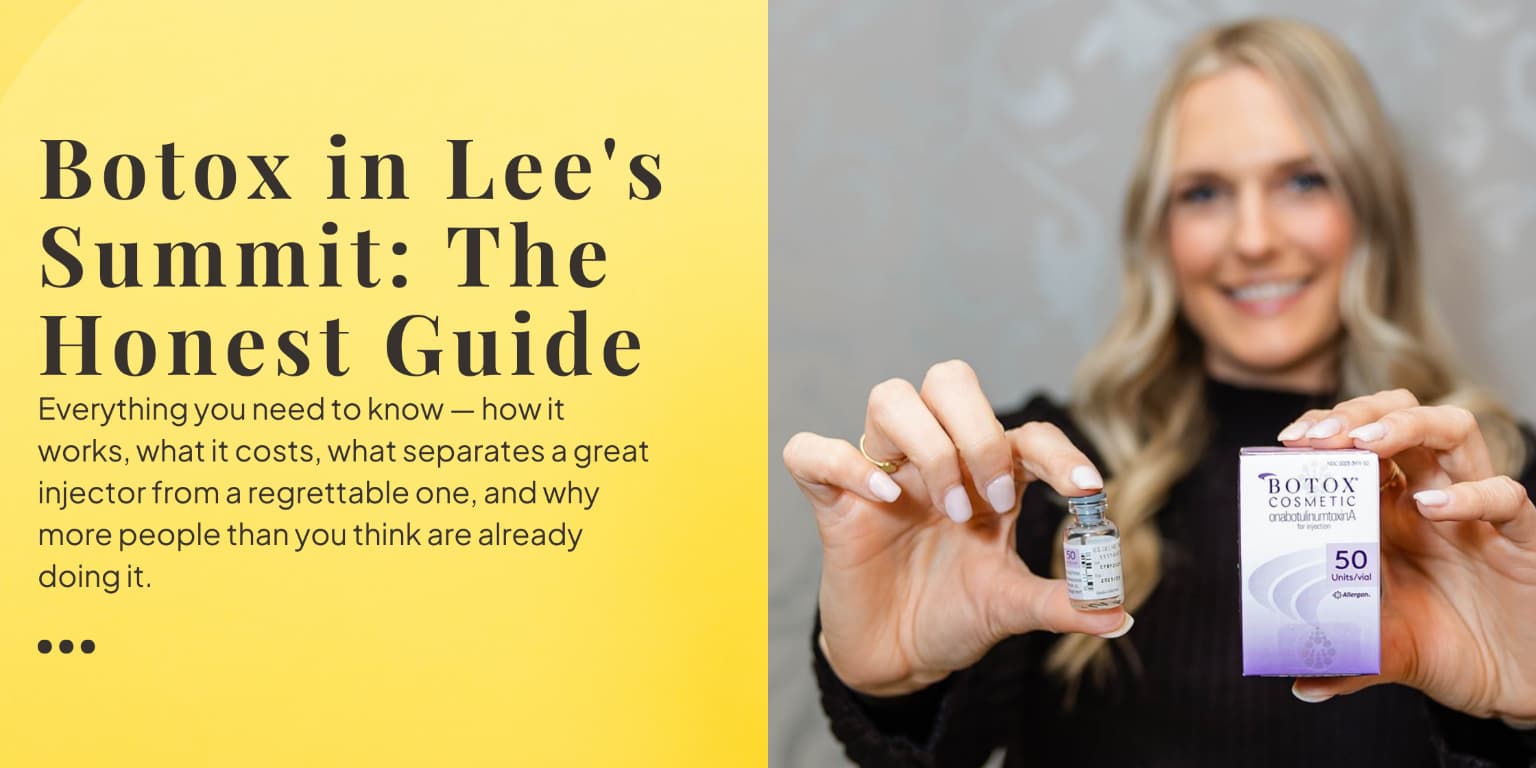
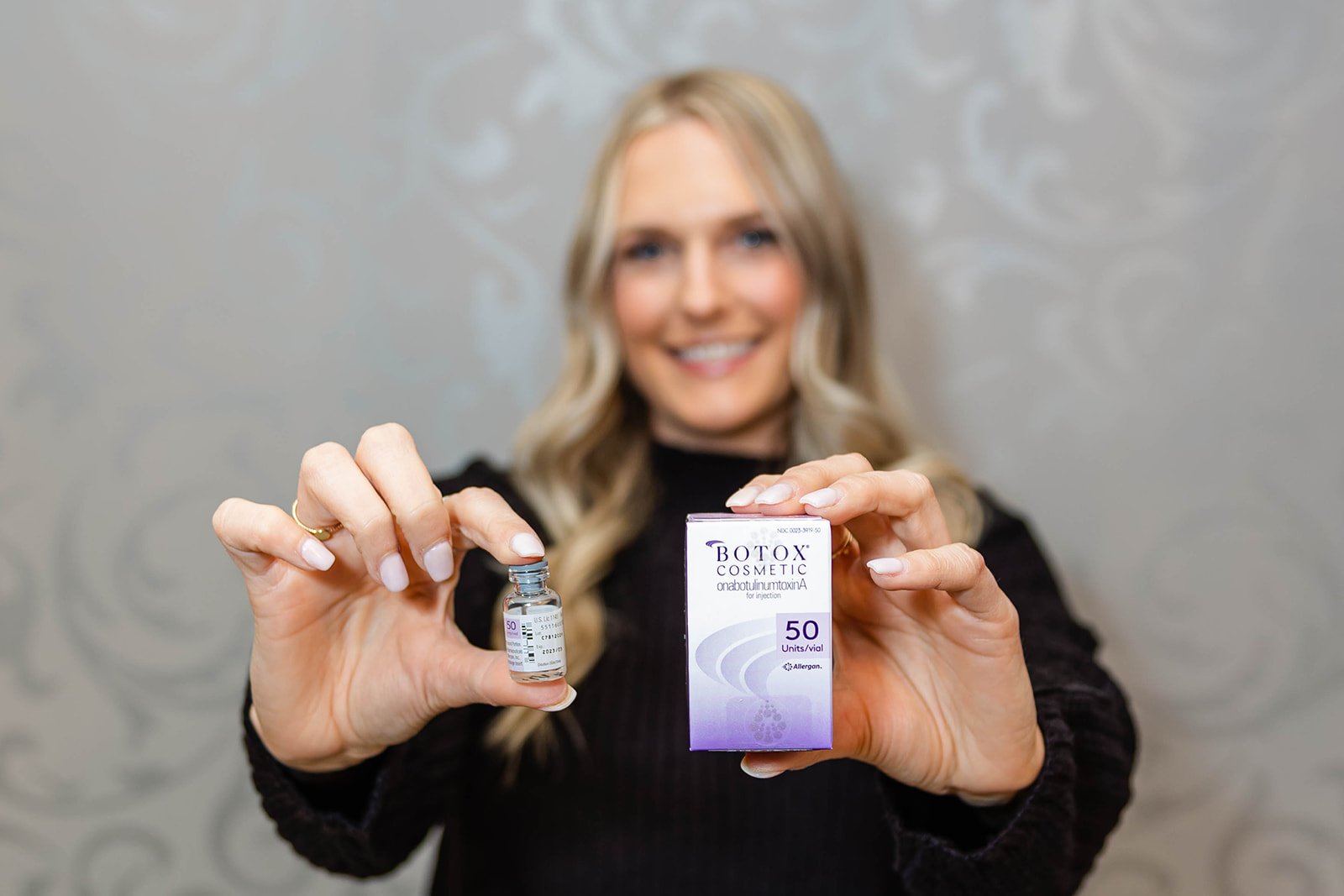
Botox is a brand name — the most recognized one in aesthetics — for a purified protein called onabotulinumtoxinA, derived from the bacterium Clostridium botulinum. It was first approved by the FDA in 1989 for therapeutic use, then received its first cosmetic approval in April 2002 for frown lines between the brows.
It is manufactured by Allergan Aesthetics, now a subsidiary of AbbVie, and it remains the most studied, most administered aesthetic injectable in the world.
How It Works (The Non-Scary Version)
Every time your face makes an expression — furrowing your brow, squinting in the sun, smiling — muscles contract in response to nerve signals. Those signals are carried by a neurotransmitter called acetylcholine. Over years of repeated muscle contractions, the skin above those muscles develops permanent creases.
Botox interrupts that signal at the source.
When injected into a targeted muscle, Botox binds to the nerve terminal and blocks the release of acetylcholine. The muscle can no longer fully contract. With the muscle relaxed, the overlying skin smooths — and stays smooth for the duration of treatment.
Here's the important nuance: Botox doesn't freeze your face. It reduces the intensity of muscle contractions in specific, targeted areas. A skilled injector works with your anatomy, not against it. The goal is never immobility — it's a softened, refreshed version of your natural expressions.
How Long Do Results Last?
For most patients, cosmetic Botox results last 3 to 4 months. The FDA states that the safety and effectiveness of dosing more frequently than every 3 months has not been clinically evaluated.
What actually happens over time: your body gradually forms new nerve connections around the treated area, restoring acetylcholine release — and muscle movement returns. Many long-term Botox patients report that results seem to last slightly longer with repeated treatments, which aligns with clinical evidence that repeated injections may slow functional muscle recovery between sessions.
What Can Botox Actually Treat?
FDA-Approved Cosmetic Areas
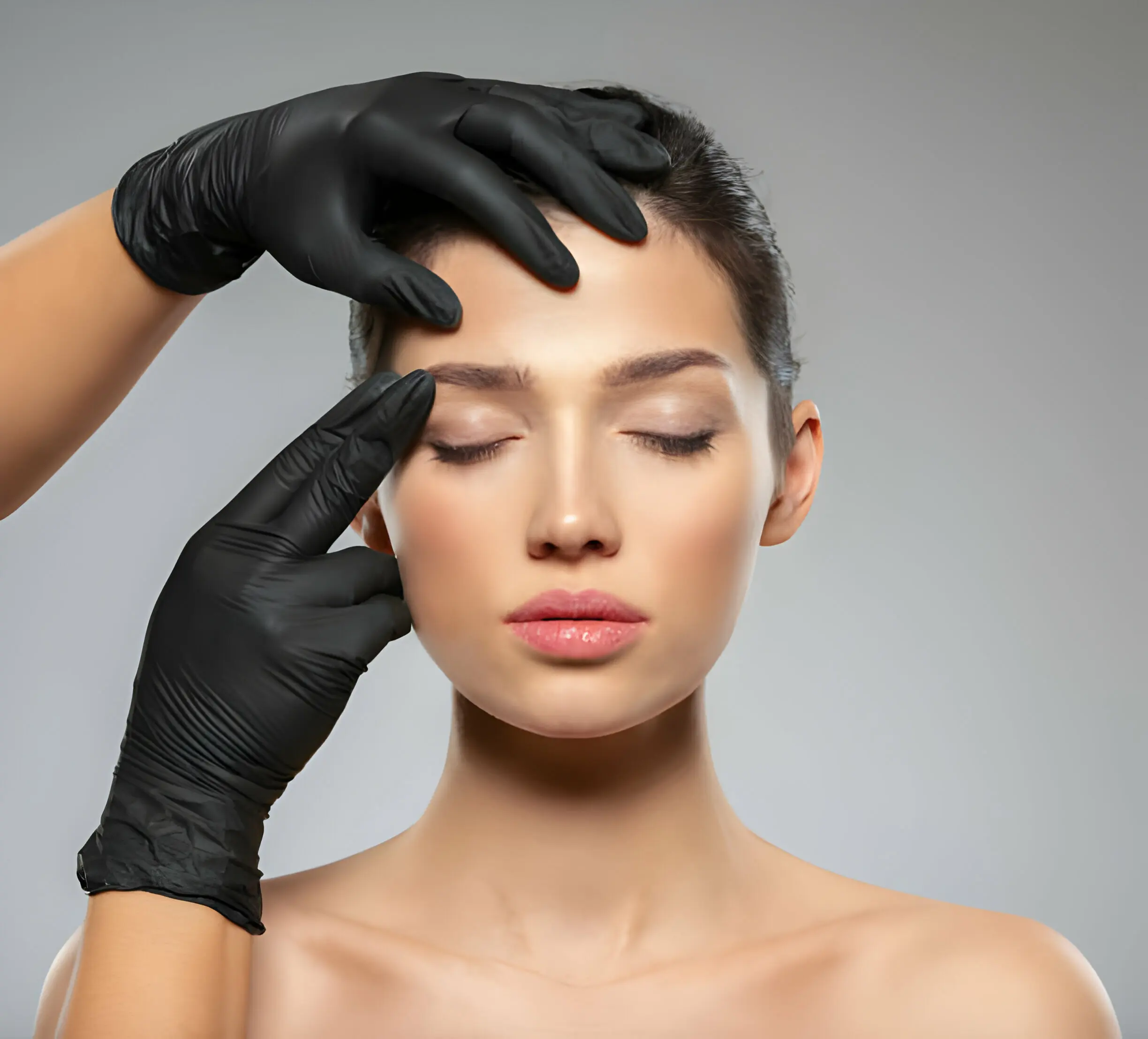
As of October 2024, BOTOX Cosmetic holds FDA approval for four cosmetic indications — more than any other neuromodulator on the market:
- Glabellar lines — the vertical frown lines between the brows (the "11s") — approved 2002
- Crow's feet — fine lines at the outer corners of the eyes — approved 2013
- Forehead lines — horizontal lines across the forehead
- Platysma bands — vertical neck bands connecting the jaw to the neck — approved October 2024
That last one is worth noting. The platysma band approval made BOTOX Cosmetic the first aesthetic neuromodulator approved for a treatment area below the face. If you've been bothered by vertical neck cords that appear when you turn your head or speak, this is now an FDA-sanctioned option — not experimental, not off-label.
Popular Off-Label Uses
"Off-label" doesn't mean unsafe or unproven. It means the FDA-approved product is being used in an area not listed on its official label — a legal, standard, and widely accepted practice in medicine. Your provider uses clinical judgment; the product is the same.
Common off-label Botox treatments include:
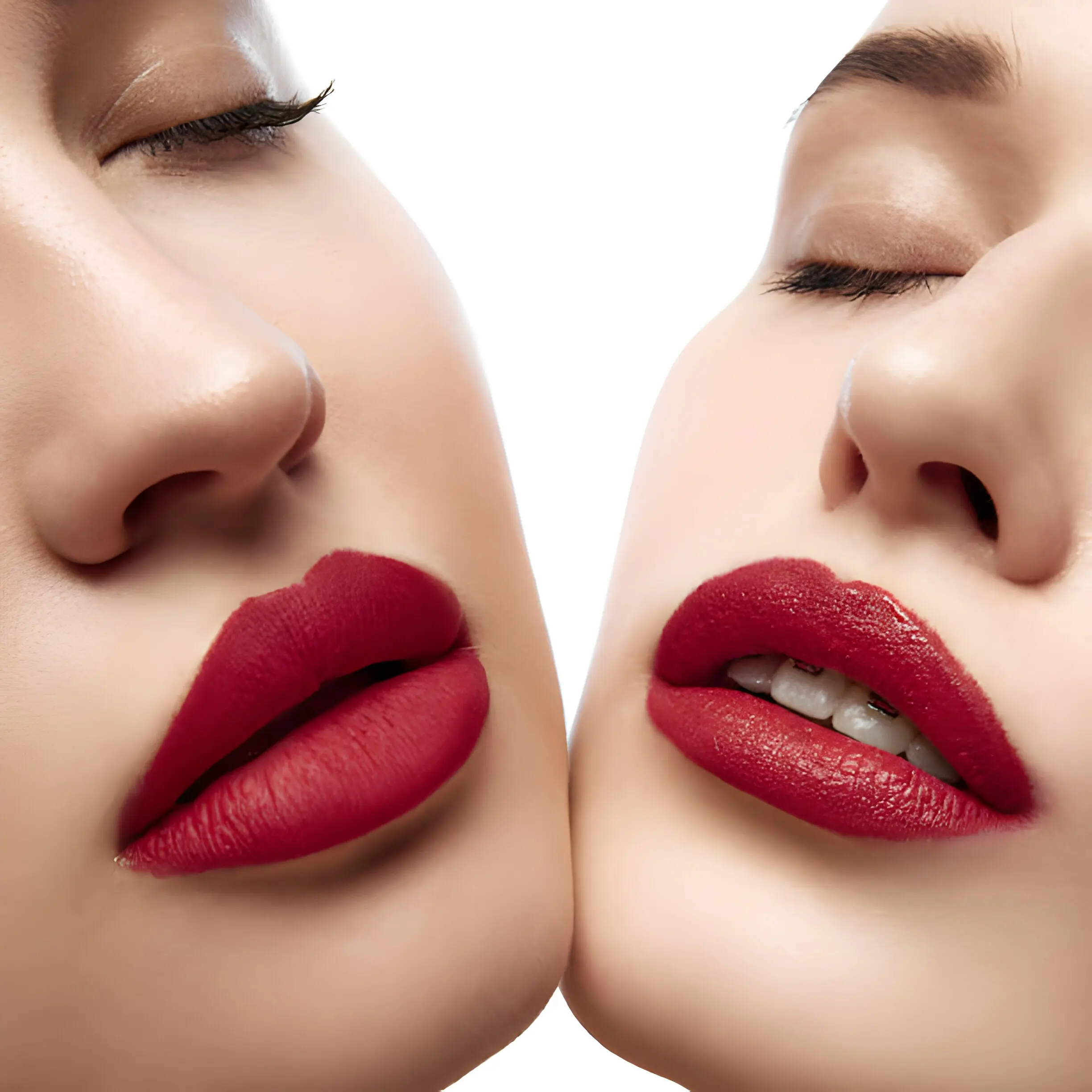
- Lip flip — a small amount of Botox along the upper lip border causes the lip to roll slightly outward, creating the appearance of more volume without filler
- Brow lift — strategic placement above the orbital rim to elevate a drooping brow
- Masseter/jaw slimming — reduces the masseter muscle for a softer, less square jawline; also helpful for jaw clenching and TMJ discomfort
- Gummy smile correction — reduces the amount of gum visible when you smile
- Bunny lines — the diagonal wrinkles on either side of the nose bridge
- Chin dimpling — smooths a puckered or textured chin
- Nefertiti neck lift — along the jawline for lower-face definition
- Trapezius ("Trap Tox" / "Barbie Botox") — reduces the trapezius muscle to create an elongated neck aesthetic and relieve tension-related shoulder pain
Botox vs. Dysport vs. Xeomin vs. Jeuveau: What's the Difference?
Botox is the name everyone knows, but it's not the only neuromodulator on the market. Here's how the major options compare:
| Product | Manufacturer | Key Characteristic | Onset | Duration |
|---|---|---|---|---|
| Botox (onabotulinumtoxinA) | Allergan/AbbVie | The gold standard; most studied | 3–7 days | 3–4 months |
| Dysport (abobotulinumtoxinA) | Galderma | Smaller molecules; spreads more; faster onset | 2–3 days | 3–4 months |
| Xeomin (incobotulinumtoxinA) | Merz | "Naked" toxin — no accessory proteins; lower antibody resistance risk | 3–7 days | 3–4 months |
| Jeuveau (prabotulinumtoxinA) | Evolus | Newer; often priced competitively | 3–5 days | 3–4 months |
| Daxxify (daxibotulinumtoxinA-lanm) | Revance | Peptide-bound formula; longer duration | 3–5 days | 6–9 months |
Which is best? That's not quite the right question. All four major neuromodulators produce similar cosmetic results when dosed correctly by an experienced injector. The differences — onset speed, spread, protein load — matter more to your injector than to you. What matters to you is the skill of the hands holding the syringe.
Most medspa settings in the KC metro work primarily with Botox, Dysport, or Xeomin. If a specific product matters to you, ask before booking.
How Many Units Will I Need?
Units are the standard measurement for Botox dosing. The number of units you need depends on your anatomy, the strength of your muscles, and your treatment goals. These ranges reflect what's typical — your provider will assess you individually:
| Treatment Area | Typical Unit Range |
|---|---|
| Forehead lines | 10–30 units |
| Glabellar lines ("11s") | 20–40 units |
| Crow's feet | 10–20 units per side |
| Brow lift | 2–4 units |
| Lip flip | 2–6 units |
| Gummy smile | 2–4 units |
| Masseter/jaw slimming | 25–50 units per side |
| Neck bands (platysma) | 20–60 units |
| Chin dimpling | 2–6 units |
A note on "Baby Botox": This refers to using lower doses — sometimes 30–50% less than standard — to soften lines while preserving more natural movement. It's increasingly popular among patients in their 20s and early 30s who are starting Botox preventatively rather than correctively.
What Does Botox Cost in Lee's Summit and the KC Metro?
Botox is priced per unit. Nationally, the average ranges from $11 to $25 per unit, with some premium urban markets reaching higher. In the Kansas City and Lee's Summit market, pricing tends to run on the more accessible end of that range:
- Most KC-area medspas price Botox between $11–$14 per unit
- New patient specials frequently offer rates as low as $10–$11 per unit
- Dysport and Xeomin are often priced slightly lower per unit, though more units are typically required
For context on what that means in dollars:
- A typical three-area treatment (forehead + 11s + crow's feet) averages 50–60 units — roughly $550–$840 at standard KC pricing
- A lip flip runs as low as $25–$60 at introductory rates. At M-Power, a lip flip is a flat $150 with our RN injector — one transparent price, no teaser rate that jumps at your second visit.
- A full-face neurotoxin session can range from $300–$1,200+ depending on how many areas are treated
One thing to watch: some providers quote pricing "per area" rather than per unit. Always ask how they calculate cost so you can compare accurately. Per-unit pricing is more transparent.
Why People Actually Get Botox (It's Not What You Think)
The decision to try Botox almost never starts with vanity. It usually starts with a photo.
Maybe it's a candid from a friend's wedding where you didn't recognize yourself for a split second. Maybe it's a Zoom call where you kept noticing the crease between your brows. Maybe it's just the accumulation of small moments where your reflection didn't quite match how you feel on the inside.
Research consistently backs this up. The dominant motivator for Botox isn't the desire to look different — it's the desire to look like yourself on your best day. The 2024 ASPS report described it plainly: patients aren't trying to transform. They want the outside to catch up with how they feel inside.
What Actually Drives People to Book
Confidence, not appearance. Patient surveys across multiple studies show that the reduction of wrinkles is almost always accompanied by what researchers call "newfound self-assuredness." The cosmetic change is the mechanism — the emotional outcome is the real result.
Friends who've had it done. A survey of 750 women found the single most common factor driving interest in anti-wrinkle injections was seeing natural, positive results on someone they knew and trusted. Advertising doesn't move people the way a friend saying "I did it and I love it" does.
The preventative shift. Millennials and Gen Z aren't waiting for lines to form before treating them. They approach Botox the way they approach sunscreen — as proactive maintenance, not reactive repair. One dermatologist put it this way: "Think of it like dental flossing — you do it not because you have cavities, but because you don't want them." Neuromodulator use among patients in their 20s rose 75% between 2019 and 2024 according to ASPS data.
Life transitions. Divorce, a career change, a milestone birthday — the research shows these moments are consistent triggers. They're not crises. They're points of reinvention where people decide to invest in themselves.
Screens changed everything. 76% of plastic surgeons surveyed reported increased cosmetic procedure demand following the pandemic, driven by one thing: people seeing their own faces on video calls every day for the first time. The "Zoom effect" is real, documented, and it's not going away.
The Science Behind Why Botox Makes You Feel Better
There's a documented neurological dimension here that most Botox articles skip entirely.
Research published in Aesthetic Surgery Journal found that Botox injections in the glabellar region — the frown muscle area — reduced the perception of anger in patients' expressions. A separate functional MRI study showed decreased activation of the amygdala, the brain's emotional processing center, when Botox-treated subjects viewed angry faces.
This is the facial feedback hypothesis at work: your facial muscles don't just express emotions — they participate in creating them. When you relax the muscles associated with frowning, you may actually reduce the frequency and intensity of the emotional experience that drives frowning. Some patients report feeling genuinely happier after treatment. The research suggests that's not placebo — it's neuroscience.
What First-Timers Are Actually Afraid Of
If you've googled Botox and closed the tab, you're in good company. First-time patient fears are remarkably consistent — and remarkably addressable.
"I'll look frozen." This is the #1 fear by a significant margin, and it comes from the same place: celebrity over-injection stories, reality TV, and the handful of bad outcomes that get shared on social media. Here's the truth: the frozen look is a dosing and technique error, not a property of Botox. A skilled injector using appropriate units in the right locations produces results that are natural-looking by design. No one who knows you will say "you got Botox." They'll ask if you've been sleeping better.
Pain. The second most common barrier is needle anxiety. Patients who've had it describe the experience universally as "quick, tiny pinches" — the needles are ultra-fine, sessions take 5 to 15 minutes, and most patients are surprised it was less uncomfortable than they anticipated.
Side effects. Bruising happens in about 5% of patients at experienced practices and typically resolves in 3 to 7 days. Ptosis — a temporary drooping eyelid — occurs in approximately 5% of patients overall, dropping to around 1% with experienced injectors. Both are temporary and manageable.
"What if I want to stop?" Botox is not permanent. It wears off in 3 to 4 months. If you decide it's not for you, you simply don't rebook — and your face returns to its baseline. There is no permanent commitment.
Cost. At $12–$14 per unit in the KC market, a standard three-area treatment runs $480–$900 per session, repeated every 3 to 4 months. That's a real recurring expense worth planning for. The patients who feel best about the cost are the ones who went in with clear expectations rather than surprises.
What Patients Wish They Had Known
Compiled from patient surveys, reviews, and firsthand accounts across dermatology practices:
- Results take 7 to 14 days to fully appear — don't judge at day 3
- Your first treatment is a calibration; many patients adjust dosing on the second round
- Telling your injector exactly what you want to preserve matters as much as what you want to reduce
- The relationship with your injector is more important than the product they use
- You can absolutely still make facial expressions — skilled Botox softens movement, it doesn't eliminate it
Who's Getting Botox Now
The demographic picture has shifted significantly in the last five years. Gen X (ages 40–54) drove the majority of cosmetic procedures in 2024, accounting for roughly 45% of neuromodulator treatments. But the fastest-growing segment is patients under 35 — driven by the preventative Botox trend and the normalization of aesthetics on social media. The 2024 ASPS data shows 142,907 neuromodulator treatments performed on patients ages 20 to 29 in that year alone.
The short version: Botox is no longer a procedure for one age group or one stage of life. It's used earlier as prevention, and it's used longer as maintenance.
What Are the Real Risks of Botox? (The Honest Answer)
Every article about Botox should include this section. The providers who skip it are doing their patients a disservice — and the providers who handle it honestly are the ones patients trust.
Here's the truth: Botox administered by an experienced, licensed injector using an FDA-approved product is among the most studied and well-documented cosmetic procedures in medicine. The risk profile is real but well-understood, and the vast majority of side effects are mild, temporary, and injector-dependent.
"Injector-dependent" is the key phrase. Most complications aren't a Botox problem — they're a technique problem.
Common Side Effects (The Expected Stuff)
These are normal and typically resolve on their own:
Injection site reactions — redness, minor swelling, and tenderness at the injection site are extremely common and typically resolve within hours.
Bruising — occurs in about 5% of patients at experienced practices. If you're on blood thinners, aspirin, ibuprofen, fish oil, or Vitamin E, your risk increases. Bruising typically resolves in 3 to 7 days, occasionally up to two weeks. It's cosmetic and temporary.
Headache — reported by roughly 9% of patients in forehead line clinical trials. Usually mild and resolves within 24 to 72 hours.
Asymmetry — small differences in how each side of the face responds to treatment. Often correctable with a touch-up at a 2-week follow-up appointment. A good provider will offer this.
Eyelid or brow drooping (ptosis) — the complication patients fear most. Clinical trials show it occurs in approximately 5.4% of cases overall — but that number drops to under 1% with experienced injectors. It's caused by the toxin migrating into the wrong muscle, usually from improper placement or the patient rubbing the treated area too soon. If it happens, it's temporary — resolving as the toxin wears off over 3 to 4 weeks. It can also be partially treated with prescription eye drops in the meantime.
Rare but Serious Risks
Botox carries an FDA boxed warning — the agency's highest-level safety designation — noting that in rare cases, the toxin can spread beyond the injection site and produce botulism-like symptoms. This is extremely uncommon with FDA-approved products administered properly by licensed providers, but it can be serious.
Symptoms to watch for after any Botox treatment: difficulty swallowing, difficulty breathing, slurred speech, generalized muscle weakness, or double vision. If you experience any of these — hours, days, or even weeks after injection — seek medical attention immediately.
The Counterfeit Botox Problem (This Is Worth Knowing)
Between late 2023 and early 2024, the CDC documented 22 individuals across 11 states who experienced adverse events after receiving suspicious Botox injections. Eleven required hospitalization. Most were injected outside licensed healthcare settings, or by unlicensed providers.
The FDA has since issued warning letters to websites illegally selling unapproved botulinum toxin products. The pattern is consistent: patients find a price that seems too good, get treated outside a clinical setting, and have no recourse when something goes wrong.
The protection is simple: verify the product is FDA-approved, purchased through an authorized distributor, and administered by a licensed provider in a proper clinical environment. If a provider can't confirm these things, walk away.
Who Should Not Get Botox
Botox has clear contraindications — situations where treatment is not appropriate:
Absolute contraindications (Botox should not be administered):
- Pregnancy or breastfeeding
- Known allergy to botulinum toxin or any product ingredient
- Active infection at the proposed injection site
- Diagnosed neuromuscular disorders such as myasthenia gravis, Lambert-Eaton syndrome, or ALS
Relative contraindications (requires careful evaluation and disclosure):
- Certain medications including aminoglycosides, muscle relaxants, blood thinners, and anticholinergic drugs
- Previous botulinum toxin reactions
- Inflammatory skin conditions at the treatment site
Any reputable provider will review your medical history and current medications before treating you. If a provider skips this step, that's a red flag.
What About Botox Resistance?
True Botox resistance — where the body develops antibodies that neutralize the toxin — is rare. Clinical estimates put it at less than 1 in 10,000 patients. Antibody formation rates across studies range from about 0.2% to 3.6%.
What's far more common is apparent resistance: results fading faster than expected due to underdosing, a need to switch neuromodulator products, or simply the natural variation in how individuals metabolize the toxin. If your results are shortening, talk to your injector about dosing adjustments before assuming resistance.
How to Prepare for Your Appointment (And What to Do After)
Before Your Appointment
In the 3 to 7 days prior to treatment, avoid:
- Aspirin, ibuprofen, and NSAIDs
- Fish oil, Vitamin E, and similar supplements
- Alcohol (at least 24 to 48 hours before)
On the day of treatment: skip heavy exercise beforehand, arrive with clean skin and no makeup if possible, and come with a clear sense of your goals. The more specifically you can describe what you want — and what you want to preserve — the better your injector can tailor the approach.
After Your Appointment
For the first 24 hours:
- Avoid lying flat or bending forward for 4 hours after treatment
- Do not rub or massage the treated areas
- Skip strenuous exercise
- Avoid alcohol
- Avoid facial treatments, heat exposure, and saunas
Results begin to appear within 3 to 7 days. Full effect is visible at 14 days. If something looks uneven or asymmetric at two weeks, that's when to contact your provider for a touch-up evaluation — not at day 3.
What's Trending Now: Botox in 2025–2026
The Botox landscape has shifted in ways that are worth understanding whether you're considering your first appointment or your fifteenth.
The Natural-Look Movement
The overarching theme across every provider survey and patient preference study in 2025–2026 is unmistakable: patients want to look like themselves on their best day, not like they've had work done. The frozen foreheads and overdone results that defined an earlier era of cosmetic injectables are now considered a technique failure, not a style choice. This "less is more" philosophy is reshaping how experienced injectors approach dosing, placement, and combination treatments.
Baby Botox: Prevention Over Correction
Baby Botox — also called micro-dosing Botox or actor's Botox — uses the same FDA-approved product at lower doses, distributed more delicately across strategic facial points. Where a traditional forehead treatment might use 20 units, a Baby Botox approach might use 10 to 12.
It's the fastest-growing entry point for patients in their late 20s and early 30s, and the appeal is straightforward: lower cost per session, more natural-looking results that preserve full expression, and the preventative logic that it's easier to slow the formation of wrinkles than to correct them once they're set. A word of honest nuance: social media conversations have begun pushing back on the "start early" narrative, with some creators questioning whether preventative injectables create unnecessary pressure. It's a fair conversation — and the honest answer is that the right time to start Botox is when you decide you want to, not when an algorithm tells you that you should.
The Breakout Treatment Areas
Beyond the classic upper-face trio, several areas have seen explosive growth:
Masseter/jaw slimming is up 156% since 2020. The driver is dual: a TikTok-fueled contouring trend and a very real functional benefit for patients who clench or grind their teeth. Reducing the masseter muscle creates a softer jawline and relieves the jaw fatigue and headaches that come with bruxism.
Trap Tox — injecting the trapezius muscle to create a longer, more elegant neck and shoulder line — accumulated over 23 million TikTok views under #traptox. Beyond aesthetics, many patients report genuine relief from chronic shoulder tension and stress-related neck tightness.
Neck bands (platysma) received FDA approval as a cosmetic indication in October 2024 — the first below-the-face cosmetic approval in Botox's history.
Combination Treatments: The Full-Face Approach
The most significant shift in medspa practice over the last two years isn't a new product — it's how treatments are being combined. Patients are increasingly booking sessions that address texture, volume, and muscle movement simultaneously, rather than treating one problem at a time.
The most common combinations:
Botox + dermal fillers (the "liquid facelift") — Botox relaxes dynamic lines while hyaluronic acid fillers like Juvederm or Restylane restore volume in the mid-face, lips, and under-eyes. These can typically be performed in the same session, with Botox injected first.
Botox + microneedling — Microneedling (especially radiofrequency versions like Morpheus8) stimulates collagen at deeper skin layers while Botox addresses muscular causes of wrinkling. Important protocol note: microneedling should be performed at least two weeks after Botox to allow the neurotoxin to fully settle.
Botox + chemical peels — Peels improve surface texture and tone while Botox addresses underlying muscle movement. Together they target both the cause and the appearance of aging skin.
What's Coming Next
The neuromodulator product pipeline is active. Daxxify, already FDA-approved, uses a peptide-bound formula to extend duration to 6 to 9 months — meaningful for patients who dislike the maintenance cadence of standard Botox. Galderma's Relfydess (letibotulinumtoxinA-wlbg), a liquid formulation that requires no reconstitution, showed strong Phase III data and is positioned as the next major entrant. The global botulinum toxin market reached approximately $7.7 billion in 2024 and is projected to exceed $12 billion by 2030.
Botox in Lee's Summit: What the Local Market Actually Looks Like
Lee's Summit is not an underserved market. There are approximately 15 providers offering neurotoxin injections within city limits or actively targeting Lee's Summit patients — ranging from national dermatology chains to boutique nurse-led practices to plastic surgery centers with decades of history.
That means you have real options. It also means the quality, environment, and experience vary significantly depending on where you go.
The Provider Spectrum
Plastic surgery practices bring the highest level of medical oversight. Summit Plastic Surgery & Med Spa (Dr. Madhukar Chhatre, 20+ years), Monarch Plastic Surgery (6-surgeon group, 30+ years in KC), and Associated Plastic Surgeons all offer Botox as part of a broader surgical and nonsurgical menu. If you're considering Botox alongside more significant procedures, or simply want a board-certified surgeon in the building, these are your options.
Dermatology offices — Lee's Summit Dermatology Associates (Dr. Gary McEwen) and U.S. Dermatology Partners — offer Botox under dermatologist supervision, often alongside clinical skincare services. These practices tend to have a more clinical feel, which some patients prefer and others find intimidating.
Medspas make up the largest segment of the market. The range here is wide. On the high-review end, Dr. Chow's Rejuvenation Practice leads with a 5.0-star rating across 328 reviews — significant volume for the market. KC Injectables Med Spa (voted Best Day Spa in KC 2022) has built a loyal following with a woman-owned, nurse-led approach. HealthyLooks MedSpa operates four locations across the metro with aggressive value pricing — Botox at $12/unit, Jeuveau at $10. Newer entrants like Accurso Aesthetics (opened June 2024) and Aesthetic Luxe Spa (January 2025) signal that the market continues to attract new investment.
Pricing across the board clusters tightly at $10–$14/unit for Botox, with most mid-market providers in the $12–$13 range. This is consistent with Midwest pricing — meaningfully below coastal markets — and means price alone is rarely a strong differentiator. The practices winning on value compete on new-patient specials and volume bundles. The practices winning on quality compete on something else entirely.
What the Market Is Missing
The competitive data reveals three clear gaps that the Lee's Summit Botox market hasn't fully addressed:
Men. In 2024, men received nearly 594,000 neuromodulator injections nationally — and searches for "Botox for males" surged 3,300% in a single year. Yet virtually no Lee's Summit provider has built messaging, positioning, or a patient journey specifically designed for male patients. Men typically need more units (stronger facial muscles), prefer a different consultation tone, and respond to different triggers. The "Brotox" opportunity is real and largely unclaimed locally.
Preventative Botox for patients in their 20s and early 30s. The fastest-growing demographic nationally is patients who want to start before lines form — not fix what's already there. This audience is skeptical of clinical environments, responds to education-first content, and is actively searching for providers who understand their goals. Only a few Lee's Summit providers are speaking to this patient at all, and none are leading with it.
Boutique, relationship-driven care. The medspa model at scale — high volume, streamlined appointments, multiple injectors — works for some patients. For others, especially first-timers, it creates anxiety. There is documented demand for environments where you see the same injector every time, where the consultation doesn't feel rushed, and where the experience feels more like a trusted appointment than a production line. This is the gap a boutique salon-spa environment fills naturally — and it's where the quality of the relationship matters as much as the quality of the injection.
How to Choose the Right Botox Provider: What Actually Matters
Every provider in Lee's Summit will tell you they're the best option. Here's how to evaluate that claim with your own eyes.
Who Is Legally Allowed to Inject Botox?
Botox is a prescription medication, and its injection is the practice of medicine. In Missouri — and in every state — only licensed medical professionals can administer it. The authorized provider hierarchy runs from physicians (MD/DO) at the top through nurse practitioners and physician assistants, down to registered nurses operating under physician delegation.
One important line: estheticians and cosmetologists cannot legally inject Botox in any state. If someone offering Botox doesn't hold a medical license, that's not a gray area — it's illegal, and it's how people end up with complications and no recourse.
Over 70% of medspas nationally use nurse practitioners or registered nurses as their primary injectors under physician supervision or collaborative agreements. That's not a red flag — NPs and RNs with strong aesthetic training and thousands of injections under their belts produce excellent results. What matters isn't the credential at the top of the hierarchy. It's the training, experience, and judgment of the actual person holding the syringe.
What Credentials Actually Tell You
A licensed medical professional is the floor, not the ceiling. Here's what separates baseline from exceptional:
Specialty injectable training from programs like the American Academy of Facial Esthetics (AAFE) or the American Academy of Procedural Medicine (AAOPM) covers facial anatomy, pharmacology, injection technique, and complication management. This is where technique gets built.
Volume and consistency — an experienced injector has performed thousands of treatments, not dozens. Ask directly. The answer tells you a great deal.
Continuing education — the field moves fast. Providers who attend conferences, advanced workshops, and manufacturer training aren't just staying current; they're signaling that they take the craft seriously.
Verified product sourcing — you can confirm a provider is an authorized Allergan purchaser at discover.botoxcosmetic.com. If a practice's pricing seems significantly below market, it's worth asking where the product comes from.
What a Good Consultation Looks Like
The consultation is where you learn everything you need to know about a provider before committing to anything. Here's what a gold-standard process looks like:
You complete a medical intake form covering your health history, current medications, supplements, and prior aesthetic treatments — before anyone touches your face. This is a medical procedure. A practice that skips paperwork is telling you something.
Your provider asks open-ended questions about your goals and concerns — not "how many units do you want?" but "what's been bothering you, and what outcome would feel like a success?" This distinction reflects whether the consultation is about understanding you or processing you.
Before recommending anything, a skilled injector asks you to animate your face — frown, raise your brows, squint, smile — to assess actual muscle movement patterns. Treatment should be based on your anatomy, not a template.
You receive a specific, explained recommendation: which areas, why, how many units, what product, and what the realistic outcome looks like. Not a quote — an explanation.
Before/after photos of real patients with similar concerns are part of the conversation. These aren't marketing materials; they're calibration tools.
Consent comes last, after all questions are answered — not as a hurdle to clear before you get to the good part.
Why Reviews and Before/Afters Actually Matter
Research from healthcare analytics puts the weight behind what most patients already sense intuitively: 73% of healthcare decisions are influenced by patient reviews. Provider responses to reviews increase trust by 42% among prospective patients reading them. Before-and-after photos increase conversion rates in clinical marketing studies by over 80%.
The specific things to look for in reviews: patients describing natural-looking results, mentioning they felt heard during the consultation, and noting they referred friends. Those aren't marketing outcomes — they're diagnostic signals about how a practice actually operates.
One-star reviews cluster around two consistent themes: feeling rushed during consultation, and results that looked overdone. Both are technique and process failures, not product failures.
A 4.9-star rating built over hundreds of real reviews isn't a vanity metric. In a market of 15 providers, it's one of the most reliable signals available.
Frequently Asked Questions About Botox in Lee's Summit, MO
What is Botox and how does it work?
Botox is a purified protein (onabotulinumtoxinA) that temporarily relaxes targeted facial muscles by blocking the nerve signal that causes them to contract. When injected into specific areas, it softens the lines and creases formed by years of repeated muscle movement. Results are temporary, lasting 3 to 4 months, and the effects wear off naturally as the body restores normal nerve function.
Is Botox safe? What are the side effects?
Botox has over 20 years of cosmetic use data and is FDA-approved. Common side effects — minor bruising, temporary redness, and mild headache — are self-resolving within days. Ptosis (eyelid drooping) occurs in roughly 5% of treatments overall and under 1% with experienced injectors. Serious complications are rare when treatment is performed by a licensed provider using an FDA-approved product.
How long does Botox last?
Most patients see results for 3 to 4 months. The FDA recommends against dosing more frequently than every 3 months. Many long-term patients report results lasting slightly longer over time, which is consistent with clinical evidence that repeated treatments may slow the muscle's functional recovery between sessions.
What is the difference between Botox, Dysport, and Xeomin?
All three are FDA-approved botulinum toxin products that produce similar cosmetic results. Botox is the most widely used and most studied. Dysport has smaller molecules and spreads slightly more, with a faster onset of 2 to 3 days. Xeomin contains no accessory proteins, reducing the theoretical risk of antibody resistance over time. Duration is comparable across all three at 3 to 4 months.
What age should you start getting Botox?
There is no single correct age — it depends on your goals. Patients in their late 20s and early 30s increasingly start Botox preventatively, using low doses to soften early dynamic lines before they become permanent creases. Patients in their 40s and beyond typically use standard dosing to reduce established lines. A qualified injector can assess your anatomy and recommend a timeline specific to you.
How many units of Botox do I need?
Unit needs vary by treatment area and individual muscle strength. Typical ranges: forehead lines 10–30 units, glabellar lines (11s) 20–40 units, crow's feet 10–20 units per side, lip flip 2–6 units, brow lift 2–4 units, masseter/jaw 25–50 units per side, neck bands 20–60 units. Your injector will assess your facial movement patterns and recommend a specific dose based on your anatomy.
How much does Botox cost in Lee's Summit, MO?
Botox in Lee's Summit is priced between $10 and $14 per unit at most providers, with the majority in the $12 to $13 range. A standard three-area treatment (forehead, 11s, and crow's feet) typically uses 50 to 60 units, putting the cost at roughly $550 to $840 at mid-market pricing. New patient specials frequently offer lower introductory rates.
Does Botox hurt? What does the injection feel like?
Most patients describe the experience as quick, tolerable pinches using ultra-fine needles. Sessions typically take 5 to 15 minutes. Pain tolerance varies, but the consensus among patients who've had it done is that it's significantly less uncomfortable than anticipated — comparable to a mild blood draw or the sting of a small IV. Topical numbing cream is available at most practices if requested.
Can you get Botox while pregnant or breastfeeding?
No. Botox is contraindicated during both pregnancy and breastfeeding. Safety has not been established in either population, and the standard recommendation from all major medical authorities is to wait until after pregnancy and nursing have concluded. Any reputable provider will screen for this during intake and decline to treat.
What is preventative Botox and is it worth it?
Preventative Botox uses low doses — sometimes called Baby Botox — to soften early dynamic lines before they become permanent creases in the skin. The idea is to reduce repetitive muscle movement during the years when lines are still dynamic rather than static. It's most commonly started in the late 20s to early 30s. Clinical evidence and patient experience both support it as an effective long-term strategy, though individual results vary.
What should I look for in a Botox provider?
Look for a licensed medical professional (MD, DO, NP, PA, or RN) with specific aesthetic injection training and documented experience — ideally thousands of treatments performed. Ask to see before-and-after photos of real patients with similar concerns. Verify the provider uses FDA-approved product from an authorized distributor. A consultation that includes a medical intake form, a facial anatomy assessment, and expectation-setting before any injection is a strong signal of a quality practice.
What questions should I ask before getting Botox?
Ask: What are your credentials and how many Botox treatments have you performed? Can you show me before-and-after photos of patients like me? How do you tailor dosing to my facial anatomy? Can we start conservatively and adjust at a 2-week follow-up? What product are you using and where does it come from? What's your protocol if I need a touch-up?
What are the red flags of a bad Botox injector?
Red flags include: no medical intake form or health history review, inability to show real before-and-after photos, pricing that seems significantly below market ($8/unit or less may signal counterfeit product), refusal to discuss the follow-up process, pressure to treat multiple areas in a first visit, and inability to clearly state the product name and manufacturer. A rushed consultation is itself a warning sign.
How do I know if I'm getting real, FDA-approved Botox?
Ask your provider to confirm the product name (BOTOX Cosmetic, Dysport, Xeomin, or Jeuveau), the manufacturer, and that it was purchased from an authorized distributor. You can verify a provider is listed as an authorized Allergan provider at discover.botoxcosmetic.com. Counterfeit botulinum toxin products have caused hospitalizations — this is worth asking directly.
How should I prepare before my Botox appointment?
In the 3 to 7 days before treatment, avoid aspirin, ibuprofen, fish oil, Vitamin E, and other supplements that thin the blood. Skip alcohol for at least 24 to 48 hours before your appointment. Arrive with clean skin and no makeup if possible. Come with a clear sense of which areas bother you most and what results you're hoping for — the more specific you can be, the better your injector can tailor the treatment.
What should I avoid after getting Botox?
For the first 24 hours: avoid lying flat or bending forward for 4 hours post-treatment, do not rub or massage the treated areas, skip strenuous exercise, and avoid alcohol. Also avoid heat exposure, saunas, and facial treatments in the first day. These precautions reduce the risk of toxin migration and bruising, and help ensure the product stays precisely where it was placed.
When will I see results and how long do they take?
Initial results begin to appear within 3 to 5 days. Full effect is visible at 10 to 14 days. First-time patients sometimes worry when they don't see immediate changes — this is normal. The 2-week mark is the correct point to evaluate results and determine whether a touch-up is needed. Do not judge the outcome at day 3.
Can I work out after Botox?
Avoid strenuous exercise for at least 24 hours after treatment. Elevated heart rate and increased blood flow can contribute to bruising and, in theory, encourage toxin migration from the injection site. Light walking is generally fine. After the first 24 hours, normal exercise can typically resume — confirm with your provider based on which areas were treated.
Why did my Botox not work or wear off quickly?
True Botox resistance — where the body develops antibodies to the toxin — affects fewer than 1 in 10,000 patients. More common explanations include underdosing on the first treatment, individual variation in metabolism, or a need to adjust the product or dose. If your results seem shorter than expected, discuss dosing adjustments with your injector before assuming resistance. Switching products (e.g., from Botox to Xeomin) is sometimes recommended to address antibody formation.
How often should I get Botox to maintain results?
Most patients schedule treatments every 3 to 4 months to maintain consistent results. The FDA advises against dosing more frequently than every 3 months. Some patients stretch to every 4 to 5 months as their muscles gradually weaken with repeated treatment. Your provider can help you find a maintenance cadence that fits your results and budget. In Lee's Summit and the KC metro, many practices offer loyalty pricing for returning patients.
Ready to Book in Lee's Summit?
If you're in the Lee's Summit area and you've been sitting on the fence, here's the truth: the biggest barrier is usually just making the first call.
Haley Lenox, RN, our nurse injector at M-Power Salon & Spa, has built a reputation in Lee's Summit as the kind of injector patients refer their friends to — because she takes the time to understand your goals before she ever picks up a syringe. M-Power is a boutique spa environment, not a clinical assembly line. That distinction matters, especially for first-time patients who want to feel like a person, not a chart.
Book a consultation at mpowersalonandspa.com or call to speak directly with the team.
This article is intended for informational purposes only and does not constitute medical advice. Consult with a licensed medical professional to determine whether Botox is appropriate for your individual health situation.
Last reviewed: August 2026.