As a woman who loves self-care, I know how quickly it all adds up. Hair, makeup, nails, and then there's skincare! When we're investing our time and money into treatments, we want to know what they actually do and whether they're worth it.
As an esthetician and the owner of M-Power Salon & Spa, chemical peels are one of my favorite treatments for dullness, uneven skin tone, and rough texture. After trying the Perfect 10 Peel myself, I wanted to share the good, the uncomfortable, and everything I learned along the way!
My Recovery at a Glance
- Treatment day: about 30 minutes, with roughly five minutes of warmth and tingling
- The first few days: a beautiful glow
- Day 4: itchy, irritated, and textured
- Days 5 and 6: the most itching and peeling
- Once my skin settled: noticeably smoother texture and less visible pores
Every person's skin is different, so this is my experience, not a timeline every client should expect.
Considering a peel? Start with a free, 15-minute consultation.
What Does a Chemical Peel Actually Do?
Our skin naturally sheds dead skin cells, but chemical peels take exfoliation a step further by using a specially formulated solution to resurface the skin.
Depending on the type and strength of the peel, they can help improve:
- Dull, tired-looking skin
- Uneven skin tone and certain types of pigmentation
- Rough skin texture
- The appearance of fine lines
- Certain types of acne and clogged pores
Now, chemical peels aren't going to lift sagging skin or make your pores disappear. But the right peel can help your skin look smoother, brighter, and more refreshed!
Why I Chose the Perfect 10 Intermediate Peel
As the owner of M-Power, I love experiencing treatments myself before introducing them to our clients whenever I can.
I've had The Perfect Derma Peel and a few BioRePeels in the past, so I wasn't new to chemical peels. But I quickly learned that not all peels, or recovery experiences, are the same!
This time I chose the Perfect 10 Intermediate Peel, and looking back, it was one of my biggest learning experiences.
The Perfect 10 Intermediate Peel I had is intended for Fitzpatrick skin types I to III. Your consultation helps us choose the right peel for your skin.
Leading up to my wedding, I'd been doing more skincare treatments than usual. In my mind, my skin could handle a stronger peel because I'd been taking such good care of it.
Here's what I learned: More treatments don't necessarily mean your skin barrier is stronger or better prepared for an aggressive peel. And more visible shedding doesn't automatically mean better results.
Sometimes less really is more!
What My Treatment Felt Like
My appointment took about 30 minutes. During the second peel application, I felt about five minutes of warmth and tingling. Nothing unbearable, but I was definitely thankful to have a fan nearby!
I also had dermaplaning right before my peel, and I want to mention that because dermaplaning is another form of exfoliation. Combining it with a chemical peel can increase irritation and isn't appropriate for everyone. It's important to follow the peel manufacturer's protocol and evaluate the client's skin before combining treatments.
My Honest Recovery, Day by Day
This is where things got interesting!
The First Few Days: The Glow
For the first few days, my skin looked amazing. I had that beautiful glow, and I was excited to see how everything would turn out.
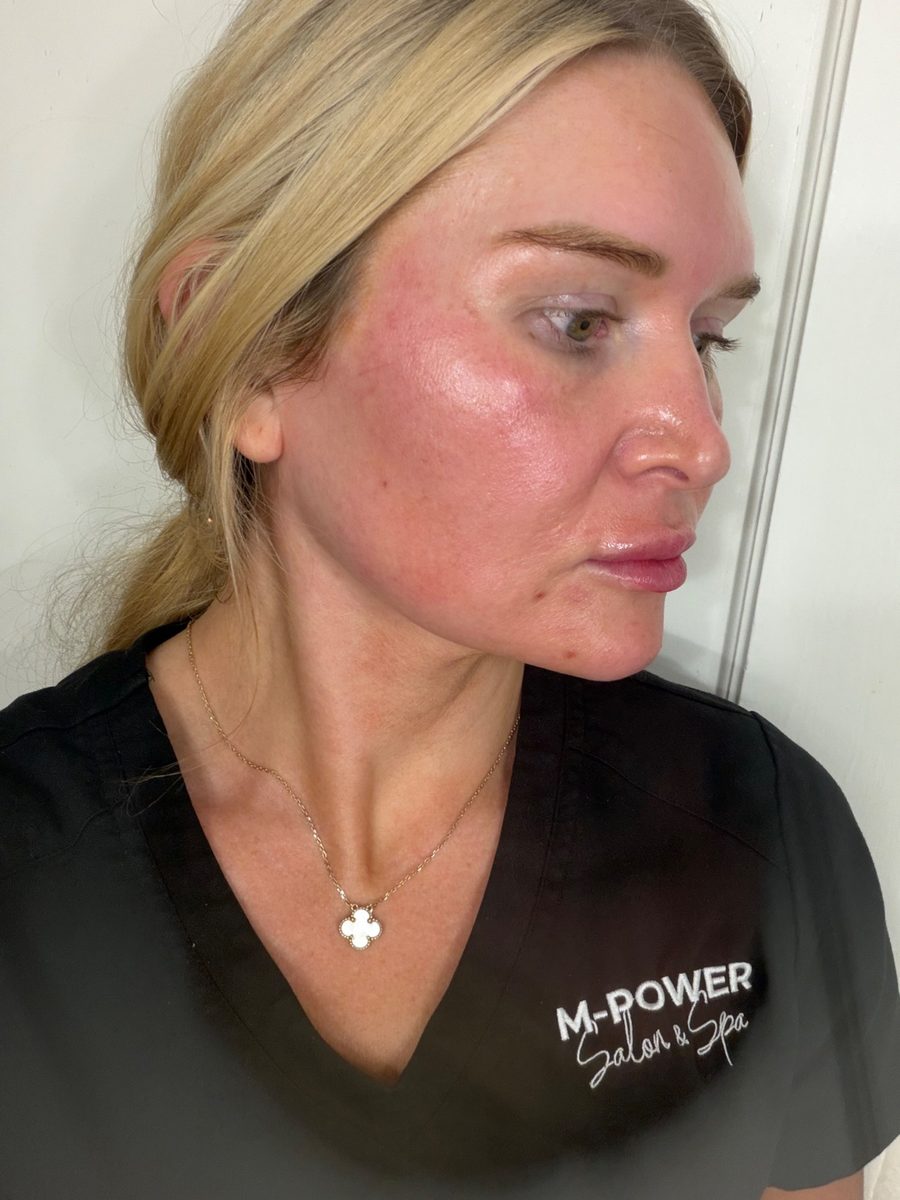
The first few days: that post-peel glow
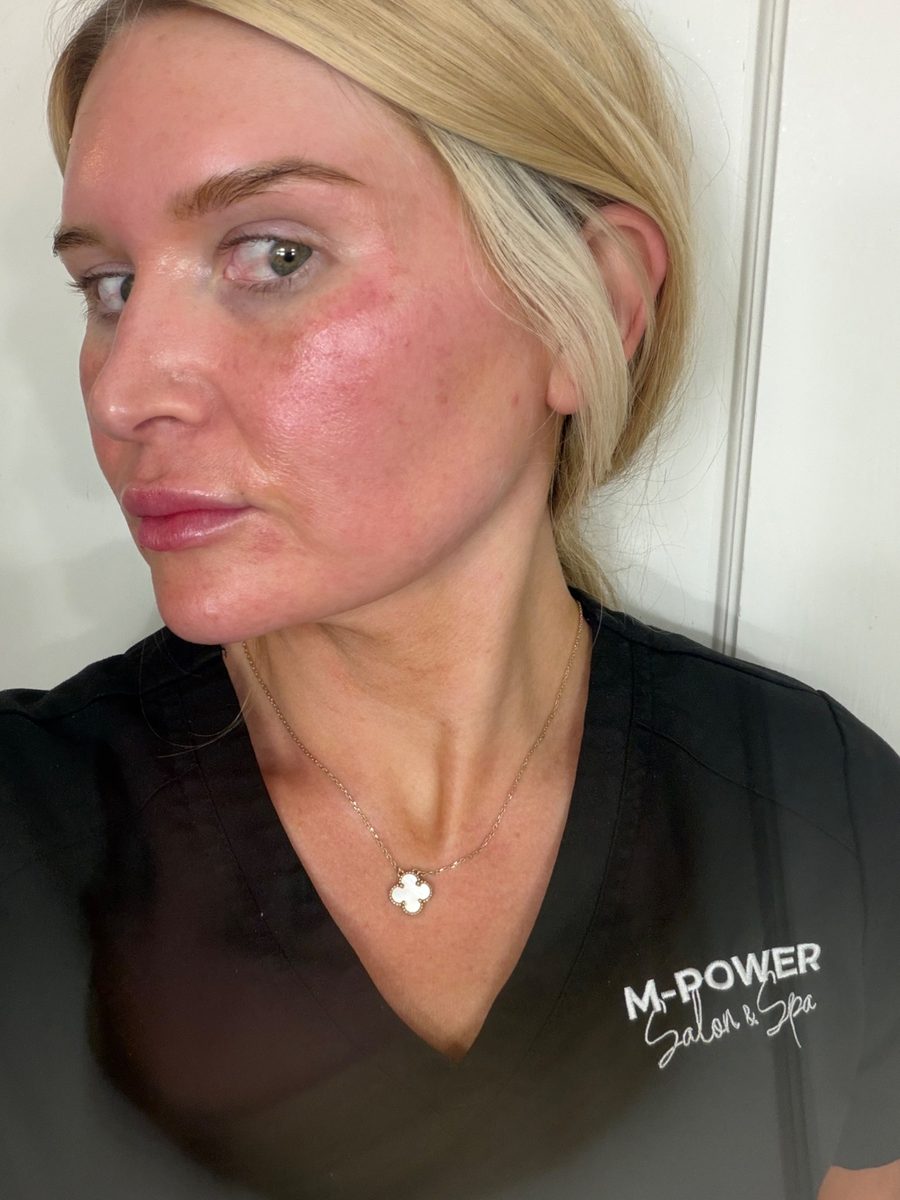
Early in recovery, before the peeling started
Day 4: Things Started Changing
Around day four, my skin became increasingly itchy, irritated, and textured.
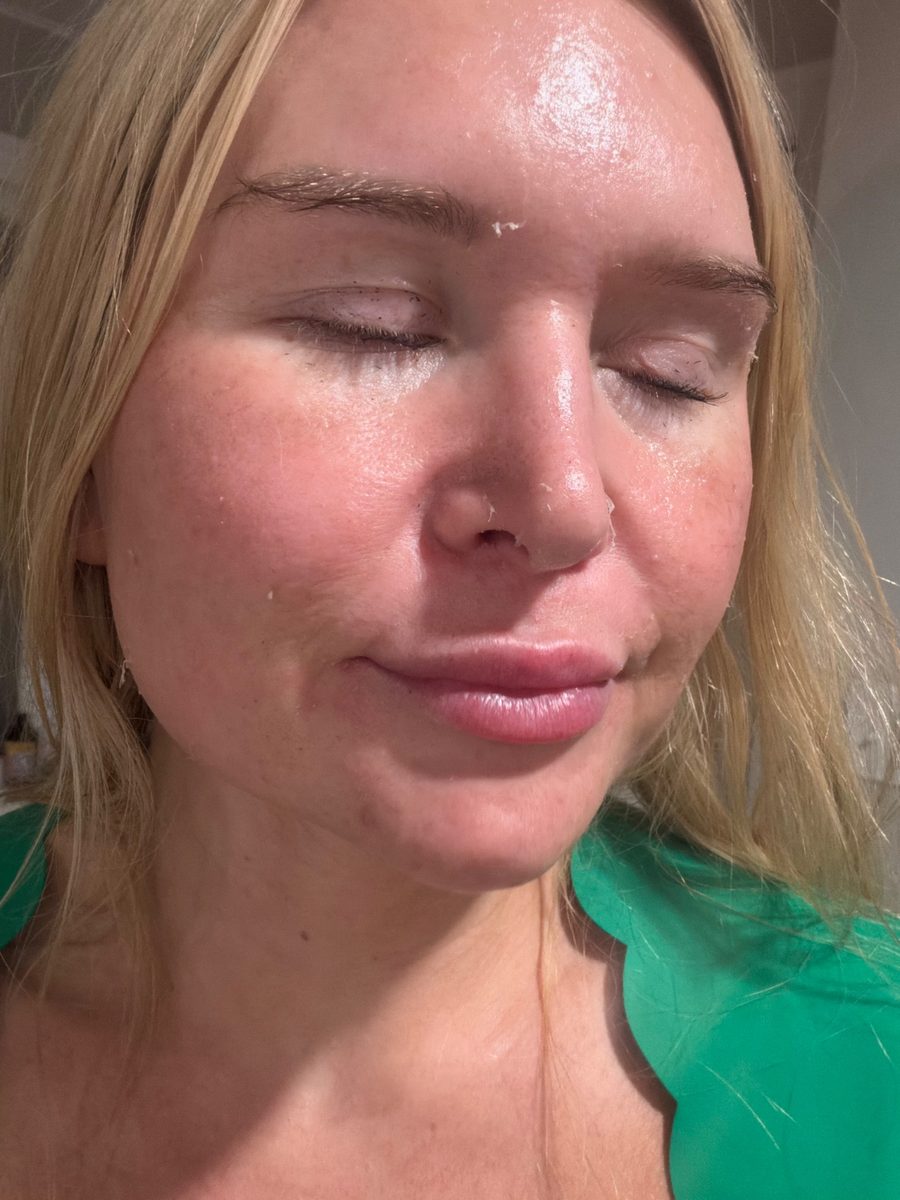
Day four: itchy, irritated and textured
Days 5 and 6: The Itch Was Real
By days five and six, I was honestly thankful I had time to stay home. And when I say itchy, I mean ALL I wanted to do was scratch my face!
I ended up taking Benadryl on days five and six because I was so uncomfortable. I'm sharing that as part of my experience, not as a recommendation to treat a reaction yourself. Significant itching after a peel should be discussed with your provider.
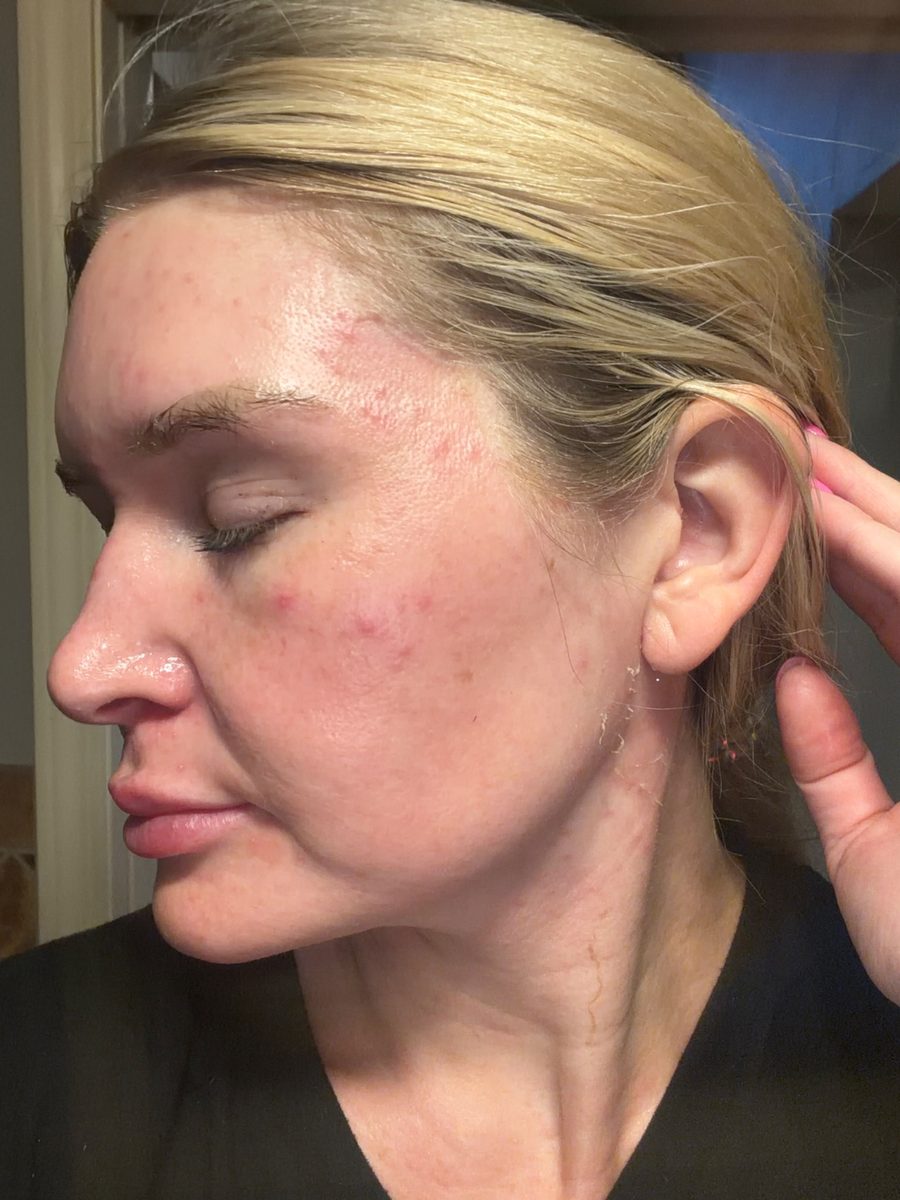
Days five and six: the peak of the peeling and itching
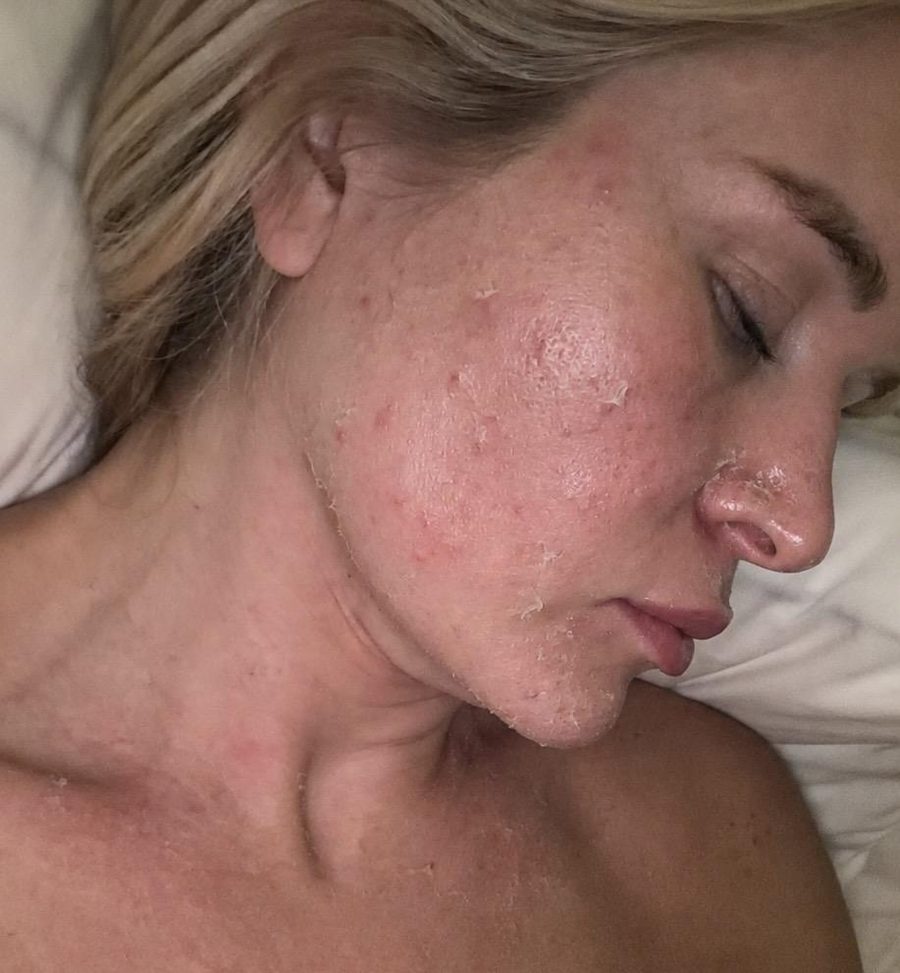
Bumps and texture during recovery
What Was Happening Around My Nose
Something else I found fascinating: my blackheads seemed so much more noticeable, almost as if they were coming to the surface. My iPhone pictures don't even do it justice!
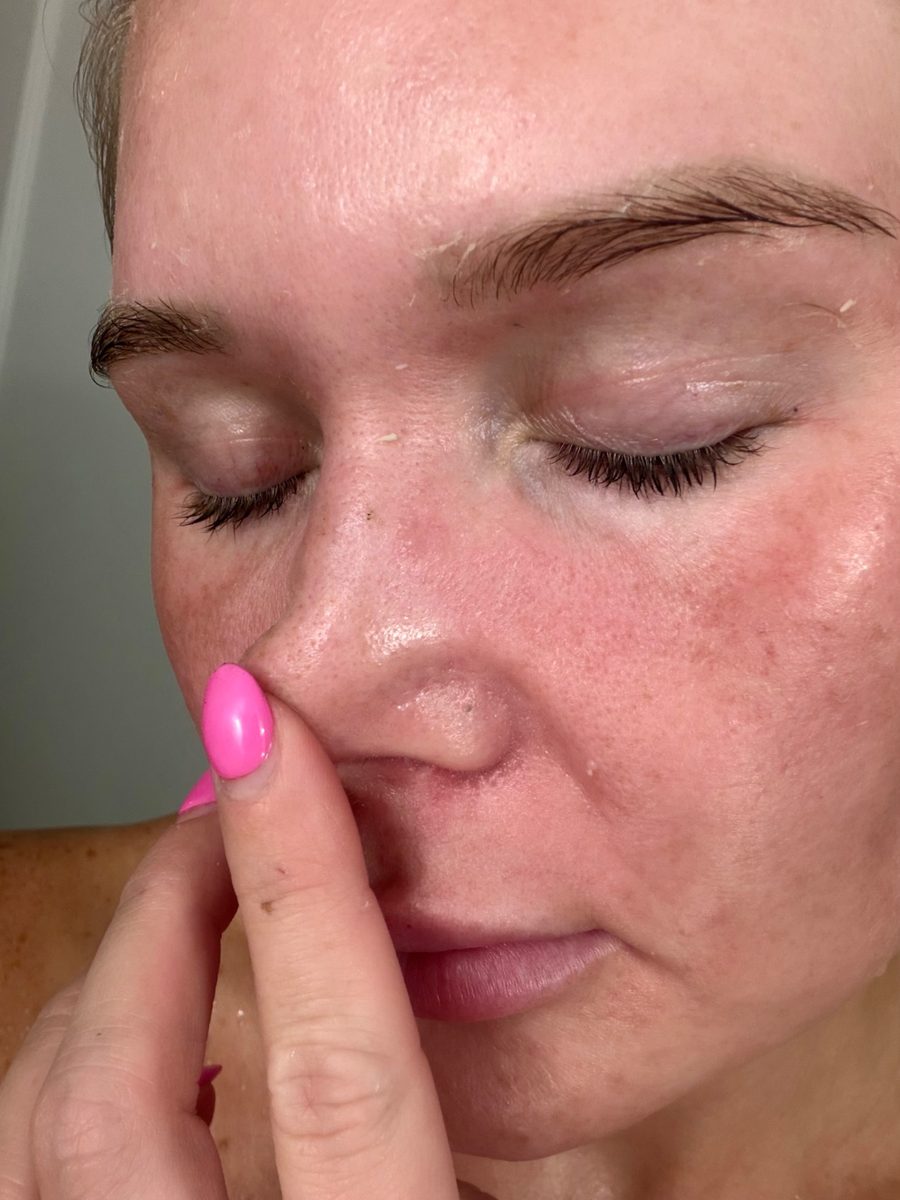
My blackheads seemed to come to the surface
I might be the weirdo here, but I find extractions and everything involving pores absolutely fascinating. So naturally, I was inspecting my face multiple times a day, looking at every little change. 😂
Of course, I had to remind myself not to pick, squeeze, or scratch anything, because that can interfere with healing.
Bumps and Blistering
I also developed bumps and areas of blistering during my recovery. I don't want to label that as normal "purging," because those symptoms can indicate irritation or another complication and should be medically assessed, especially if you have a history of cold sores.
My recovery was my personal experience. It isn't what every client should expect, and significant discomfort isn't a sign that a peel is working better.
The Results: Was It Worth It?
Once my skin settled down, I started noticing the changes I'd been hoping for!
The biggest difference for me was my skin texture. My forehead had felt rough and bumpy in certain areas, and afterward it felt noticeably smoother and softer.
The pores around my nose and chin also looked much less noticeable. Don't get me wrong, they didn't disappear! But my overall skin texture looked more refined.
As someone who looks at skin all day long, I was pretty excited about those changes. And by the end, the glow was back!
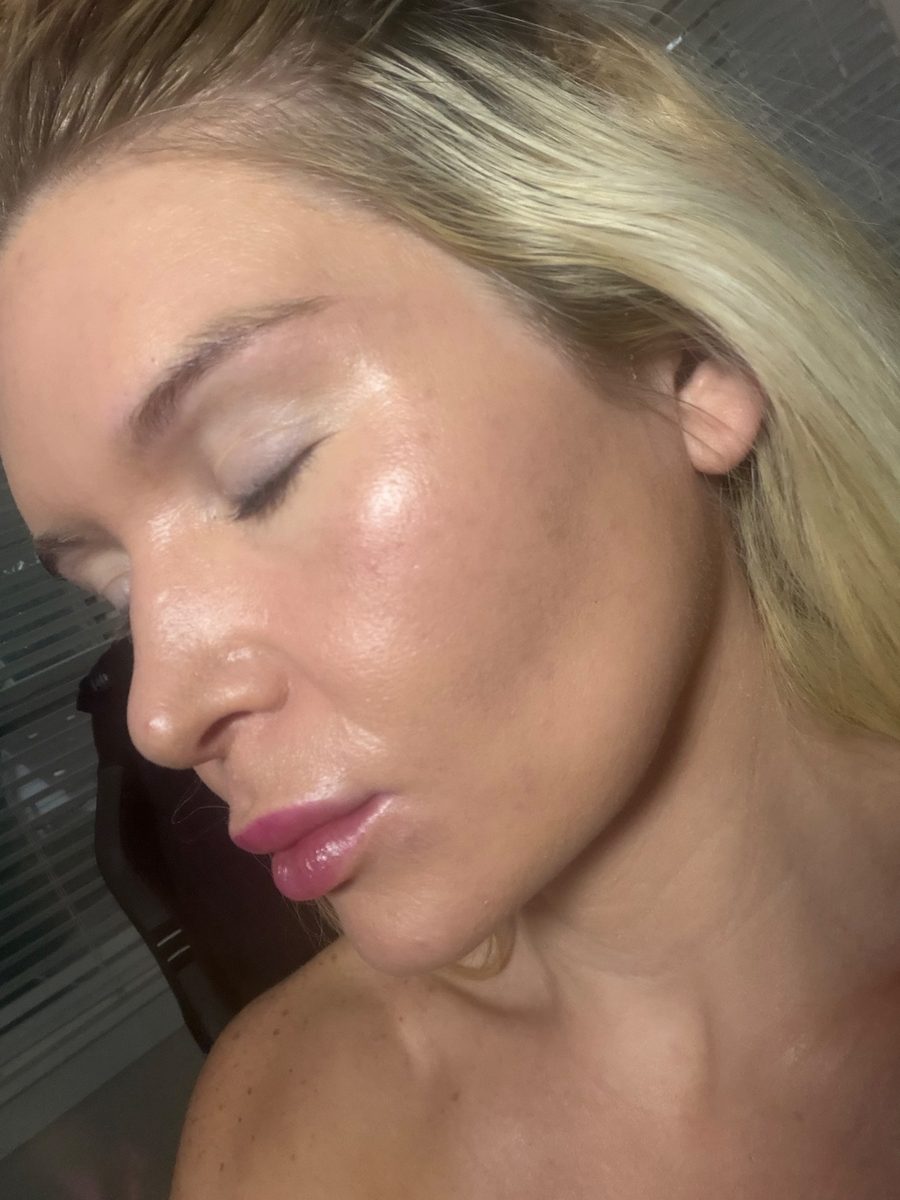
Once my skin settled: smoother texture, and the glow was back
Would everyone see the same results? Absolutely not. Every person's skin is different, and some concerns need multiple treatments or a combination of approaches.
My Biggest Lesson: Aftercare Is EVERYTHING
One of the most valuable things I learned was how important it is to choose the right aftercare products.
During my recovery, I kept my routine simple with gentle cleansing and the recommended aftercare product. Looking back at how my skin responded, though, a different aftercare approach may have been better for my skin and the treatment I received.
And this is exactly why I believe consultations are so important!
It's not just about knowing what treatment a client wants. It's about understanding their skin, their history, and what they're using at home.
Someone might walk in wanting the strongest chemical peel available, but that doesn't mean it's the right treatment for them. As estheticians, we need to consider skin condition, sensitivity, recent treatments, medications, and home skincare routine before making that decision.
After a chemical peel, it's also important to:
- Follow your provider's specific aftercare instructions.
- Avoid picking, scratching, or peeling the skin yourself.
- Hold off on exfoliating acids, retinoids, and other potentially irritating products until your provider clears you.
- Use the recommended moisturizer or recovery ointment.
- Protect your skin from the sun and follow your provider's sunscreen instructions.
If you're experiencing severe itching, blistering, increasing pain, or unexpected symptoms, contact your provider promptly rather than assuming it's part of the process.
Your skin is healing, and how you care for it afterward matters!
So, Should You Get a Chemical Peel?
Even with my more challenging recovery, I absolutely loved the improvements in my skin texture. But my biggest takeaway wasn't just about the results.
It was this: the right treatment for your skin matters more than choosing the strongest treatment available.
Not everyone needs the same peel or the same treatment schedule. Some clients do best with a gentler approach, while others may be candidates for more intensive treatments with more downtime.
That's why at M-Power Salon & Spa, I want to take the time to understand your skin goals, your skincare routine, and your treatment history before recommending a chemical peel. And if you have a history of cold sores, make sure to mention it during your consultation!
My goal isn't just to help you get beautiful skin. It's to help you understand your skin and feel confident about the treatments you're receiving.
Interested in chemical peels? Book a peel consultation at M-Power Salon & Spa in Lee's Summit, Missouri, and let's talk about your skin goals!
Written by Mackinze Fisher, Owner & Esthetician at M-Power Salon & Spa.
This blog reflects my personal treatment experience. Results, recovery, and treatment suitability vary from person to person.
Frequently asked questions
How long does a Perfect 10 peel appointment take? My appointment took about 30 minutes. During the second application I felt about five minutes of warmth and tingling.
When did my skin start peeling after my chemical peel? My skin looked glowing for the first few days. Around day four it became itchy, irritated and textured, and days five and six were the most uncomfortable. Everyone's recovery is different, so follow your provider's aftercare instructions.
Is it normal to itch or blister after a chemical peel? Blistering should be medically assessed, especially if you have a history of cold sores. For significant itching, increasing pain or unexpected symptoms, contact your provider promptly rather than assuming it's part of the process. Significant discomfort isn't a sign that a peel is working better.